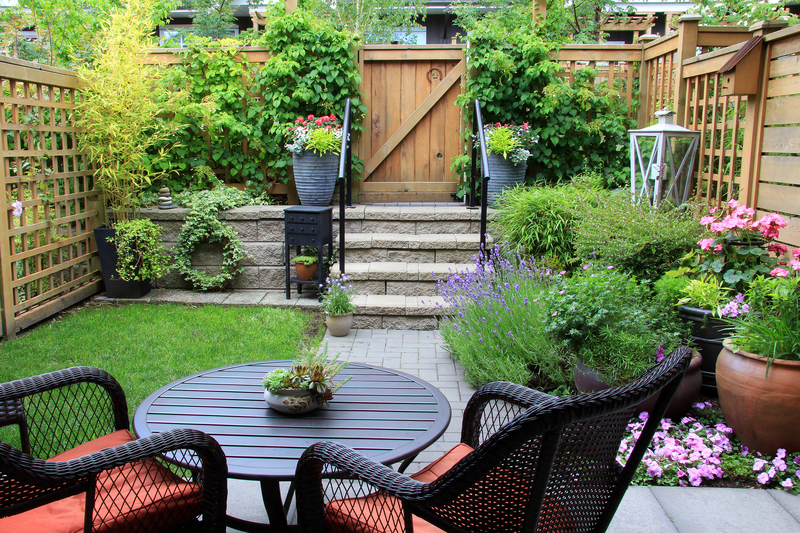
Discover Tall-Potted Plant Varieties That Create a Lush, Private Outdoor Oasis

Discover Tall-Potted Plant Varieties That Create a Lush, Private Outdoor Oasis
You step onto the patio with a cuppa, and the city hum is right there with you. Neighbours chatting, buses sighing, the odd siren in the distance. You want calm--your calm--without building a fence or pleading with a landlord. That's where tall potted plants earn their keep. With the right varieties, containers, and care, you can create a green wall that feels like a private, leafy hug. It's practical, beautiful, and to be fair, quicker than waiting for a hedge to grow.
This long-form guide is designed to help you discover tall-potted plant varieties that create a lush, private outdoor oasis--in the UK climate, on patios, balconies, roof terraces, courtyards and small gardens. We'll cover the best screening plants in containers, how to plant them for privacy, the legal and weight considerations (especially on balconies), watering tricks that actually work, and a bunch of human, hard-won lessons. You'll walk away ready to design a space that feels secluded, stylish, and alive.
Table of Contents
- Why This Topic Matters
- Key Benefits
- Step-by-Step Guidance
- Expert Tips
- Common Mistakes to Avoid
- Case Study or Real-World Example
- Tools, Resources & Recommendations
- Law, Compliance or Industry Standards (UK-focused)
- Checklist
- Conclusion with CTA
- FAQ
Why This Topic Matters
More of us than ever live in dense neighbourhoods. Outdoor rooms--balconies, terraces, compact gardens--are our breathing space. Yet privacy is thin, and new builds rarely allow structural screening. Tall potted plants solve a real-world need: mobile, green privacy without planning battles or major works. And the side-effects are lovely: softer sound, cooler corners, wildlife visitors, and that sense of sanctuary you can't fake.
There's also a wellbeing angle. The RHS and numerous university studies link green views with reduced stress and improved concentration. You don't need a country estate to feel that benefit. A handful of well-chosen tall container plants can transform how you use your space, morning and night. Strong coffee on a spring day, light breeze, rustle of bamboo or miscanthus--suddenly you stay out longer.
A tiny story: a client messaged after we planted a pot-grown yew screen. "It's silly," she wrote, "but I can read outside now without that 'watched' feeling." It wasn't silly at all. Privacy changes behaviour. It invites you back outside.
Key Benefits
When you discover tall-potted plant varieties that create a lush, private outdoor oasis, you're not just filling space--you're solving for multiple needs at once:
- Instant, flexible privacy: Move pots to adjust sightlines or reconfigure for parties. No drilling, no walls.
- Acoustic softening: Dense foliage and tall ornamental grasses scatter and absorb higher-frequency noise. Not silence, but gentler.
- Evergreen structure year-round: With yew, holly, bay, photinia, and clumping bamboo, you keep privacy through winter.
- Seasonal drama: Add height with Miscanthus, Cortaderia (compact forms), or Phormium. The movement is gorgeous, especially in low autumn light.
- Microclimate benefits: Plants cool air by transpiration and provide shade. Your west-facing terrace becomes usable again in August.
- Wildlife value: Flowering shrubs and small trees in containers can feed pollinators and birds. A tiny urban refuge.
- Design control: Containers give you colour, texture, and proportion. Clean, clear, calm. That's the goal.
- No long-term commitment: If you move, your privacy screen comes with you. Simple.
And one more: cost predictability. With pots, compost, and a watering system, you can price the whole project upfront. No mysterious "we found an old pipe under the fence" surprises.
Step-by-Step Guidance
Let's build your living screen properly. The following process reflects best practice used by UK garden designers and landscapers for durable container privacy.
1) Assess Your Space
- Measure the run: How long is the area you need to screen? Note key sightlines from neighbour windows or street level.
- Light and exposure: Full sun (6+ hours), part-shade, or shade? Windy? Coastal? Gusts will dictate plant and pot choice.
- Weight capacity: Balconies/roof terraces have limits. As a rule of thumb, lightweight GRP or fibreclay planters and peat-free mixes with added lightweight aggregates (bark, perlite) help. If in doubt, speak with building management or a structural engineer.
- Water access: Is there an outdoor tap? If not, plan for watering cans, a drip kit with a reservoir, or self-watering planters.
Micro moment: It was raining hard outside that day when we realised the client's balcony door only opened inward. Getting 120cm-long planters through meant a 10-minute Tetris game. Measure access points too.
2) Choose the Right Containers
- Size: Bigger is better for tall potted privacy plants. Aim for at least 45-60cm diameter/width and 40-50cm depth for shrubs/bamboo; 60-80cm for small trees.
- Material: Frost-resistant fibreclay, GRP (fibreglass), or high-quality glazed/stoneware. Terracotta is beautiful but dries fast; consider double-potting or adding a liner.
- Stability: Choose low, rectangular troughs or wide bowls for wind-exposed sites. Add pot feet to improve drainage and protect decking.
- Drainage: Ensure large holes. Line the base with a mesh to prevent compost loss (no need for a gravel layer; good compost and drainage holes do the job).
3) Use a Professional-Grade Growing Medium
- Peat-free container compost: Choose a high-quality blend labelled for containers. Mix in 10-20% perlite or pine bark for aeration.
- Slow-release fertiliser: Incorporate a 6-12 month controlled-release product at planting.
- Mulch: 3-5cm of fine bark or composted wood chips reduces evaporation and looks tidy.
Don't use garden soil in pots--it compacts, drains poorly, and can harbour pests. We've all tried it once. Yeah, we've all been there.
4) Top Tall-Potted Plant Varieties for Privacy (UK-tested)
Mix evergreen structure with seasonal texture for a screen that feels lush and layered. Here are reliable choices you can source across the UK:
- Clumping Bamboo (Fargesia spp.) -- Elegant, non-invasive screening. Try Fargesia robusta 'Campbell' (upright, 3-4m in soil, 2-3m in containers) or Fargesia rufa (denser, 2-2.5m in pots). Part-shade tolerant; avoid hot, dry midday sun if possible. Keep evenly moist.
- Yew (Taxus baccata 'Fastigiata') -- A classic columnar evergreen. Slow but noble; handles clipping for crisp lines, 2-3m in large containers over time. Shade-tolerant, drought-tolerant once established.
- Italian Cypress (Cupressus sempervirens 'Totem') -- Slim verticals with Mediterranean drama. Needs sun and shelter; 2-3.5m in pots. Great for formal designs.
- Bay Laurel (Laurus nobilis) -- Edible, scented foliage, clips well. 2-3m eventually in a generous planter. Hardy in much of the UK; shelter from cold winds.
- Photinia x fraseri 'Red Robin' -- Glossy evergreen with red new growth. Responds to clipping; 2-3m in large troughs. Sun to part-shade.
- Holly (Ilex aquifolium) or Japanese holly (Ilex crenata 'Fastigiata') -- Evergreen privacy and berries (on females; male needed for pollination). I. crenata gives a fine-textured, box-like look sans blight risk.
- Cordyline australis -- Architectural, narrow footprint. 2-3m in pots; tolerates coastal conditions. Combine with underplanting for fullness.
- Hardy Banana (Musa basjoo) -- Big, bold leaves for height and drama, 2-3.5m in sheltered spots. Dies back in hard frost; protect crown in winter.
- Windmill Palm (Trachycarpus fortunei) -- Hardy palm with shaggy trunk; 2-3m in pots long-term. Sun to part-shade. Adds instant holiday vibes.
- Feather Reed Grass (Calamagrostis x acutiflora 'Karl Foerster') -- Tall, slender plumes, 1.5-2m. Great for narrow spaces; upright habit, sun-loving.
- Miscanthus sinensis (tall forms) -- 1.8-2.2m with movement and autumn flowers. Sun, moisture-retentive compost. Cut back late winter.
- New Zealand Flax (Phormium tenax 'Purpureum') -- Sword-like leaves, 1.5-2.5m. Evergreen structure; wind-tolerant. Choose compact forms for smaller spaces.
- Espalier Fruit Trees (Apple, Pear) on Trellis -- Flat, elegant screens bearing fruit. 2-2.5m trained height. Sun, regular feeding, patient pruning.
- Privet in Pots (Ligustrum japonicum 'Texanum') -- Evergreen, clips tight, 2-3m. Sun or shade; reliable urban workhorse.
- Willow (Salix viminalis) in large troughs -- Fast vertical growth, great for quick screens; needs copious water and regular cutting to maintain shape.
Want a softer, layered look? Combine an evergreen spine (yew, bay, photinia, clumping bamboo) with a seasonal top note (miscanthus, phormium) and a flowering mid-layer (lavender, hebe, hardy fuchsia). The result: privacy that isn't a flat wall.
5) Plant the Right Way
- Pre-soak plants in a bucket if roots are dry. Tease out circling roots gently.
- Half-fill the planter with compost, position the plant so the rootball top sits 2-3cm below the rim.
- Backfill with compost mix, firm lightly to remove air pockets.
- Water thoroughly until it runs from the base, then top with mulch.
- Stake tall plants if windy. Soft ties, figure-of-eight, attach to discreet canes or a pot-mounted trellis.
6) Watering & Feeding That Actually Works
- Drip irrigation: A micro-drip line with a battery timer gives consistency. In heatwaves, you'll thank yourself.
- Self-watering planters: Good for holidays; still water from above occasionally to flush salts.
- Finger test: If the top 3-5cm are dry, water deeply. Avoid the little-and-often trap for large shrubs--go deep, then let it breathe.
- Fertiliser: Slow-release at planting, then a liquid feed (seaweed, balanced NPK) monthly from April-July. Ease off late summer to avoid soft growth before frost.
It sounds fussy, but after the first few weeks it becomes habit. Morning check, evening top-up in hot spells. Calm.
7) Pruning, Shaping, and Root Management
- Clip for density: Photinia, privet, bay, yew all respond to light trims, which encourages thicker screens.
- Grasses: Leave seedheads over winter for texture; cut back in late Feb/early March.
- Bamboo: Thin older culms annually and top-trim to height in late spring. Use sharp loppers; it's oddly satisfying.
- Root pruning: Every 3-4 years, slide the plant out, shave 2-5cm from the rootball sides and base, refresh compost. Plants perk up like they've had a spa day.
8) Winter & Wind Protection
- Group pots to reduce exposure, especially on balconies. Wind tunnels are real.
- Wrap containers with hessian or bubble wrap in cold snaps if the plant is borderline hardy in a pot.
- Raise pots on feet to avoid freeze-thaw sitting water.
- Coastal sites: Favour Trachycarpus, Cordyline, Escallonia, Griselinia; rinse salt spray after storms.
Ever tried tending pots in a January gale? You'll learn fast which ones need a discreet strap to the balustrade. It's fine. Everyone improvises at first.
9) Design Layouts That Screen Smart
- Staggered rows: Two offset rows of planters give better coverage than one rigid line.
- Angles matter: For overlooking windows, angle tall pots 10-15 degrees to intercept the view path.
- Layer heights: Tall at the back, medium in the middle, low spillers in front--visually lush, physically stable.
- Mix textures: Fine (bamboo), bold (phormium), glossy (photinia). Your eye rests, then wakes up again.
Expert Tips
This is the part you only learn by doing a dozen balconies in wind, rain, and the occasional heatwave. Use these to get ahead:
- Pot-in-pot trick: Hide an inner nursery pot inside a decorative outer pot with spacers. Makes seasonal swaps and root checks easy.
- Moisture meters are helpful but calibrate with your finger. Trust, then verify.
- Mulch colour matters: Dark fines look modern and make foliage pop. Light gravel can glare on sunny days.
- Choose clumping bamboo (Fargesia). Avoid running types like Phyllostachys in containers unless you're committed to heavy maintenance.
- Fertiliser timing: Feed vigorously growing plants April-July only. Feeding in August often equals frost-nipped shoots later.
- Wind anchoring: Use discreet ratchet straps behind foliage to tie planters to railings. Safety first, style undisturbed.
- Greywater in a pinch: In summer, cooled pasta water or shower warm-up water can keep pots happy--just no harsh detergents.
- Underplant for the win: Trailing rosemary, thyme, or hardy heuchera cover soil, cut evaporation, and add scent as you brush past.
- Test a trio first: If you're unsure on style, buy three planters, set a mini-screen, live with it a week. Then commit. Your gut knows.
Small aside: I once swapped a client's glossy black planters for matte charcoal. Same plants, entirely different mood. Details do the heavy lifting.
Common Mistakes to Avoid
- Undersized containers: If the roots can't stretch, plants stress and topple in wind.
- Garden soil in pots: It compacts, suffocates roots, and invites pests. Use proper container compost.
- Overwatering bamboo: Keep moist, not boggy. Yellowing leaves often signal waterlogging or scorch.
- Ignoring weight limits: Wet compost is heavy. Check balcony capacities and spread loads evenly.
- One-species monotony: Entire runs of a single plant look flat and suffer uniformly if a pest arrives. Mix evergreens and grasses.
- Neglecting winter wind: Many "hardy" plants in the ground struggle when roots are above ground and exposed.
- Planting invasive or unsuitable species: Always check UK guidance for restricted plants and avoid aggressive runners in small spaces.
- Forgetting neighbours' light: Super-tall screens can spark disputes. Keep it considerate, keep it elegant.
Ever tried clearing a room and found yourself keeping everything? Same with plants. Edit bravely. Keep the performers; rehome the sulkers.
Case Study or Real-World Example
Project: Third-floor balcony, East London. Size 5.2m x 1.6m. Overlooked on two sides. Wind tunnel effect between buildings.
Brief: Create a lush, private outdoor oasis using tall potted plants with year-round cover. Low fuss, no drilling, must respect weight limits.
Design:
- Four GRP troughs (120cm x 40cm x 50cm), two cubes (50cm x 50cm x 50cm).
- Planting spine: 3 x Fargesia robusta 'Campbell', 2 x Photinia 'Red Robin', 2 x Taxus baccata 'Fastigiata'.
- Seasonal texture: 3 x Miscanthus 'Malepartus', 2 x Calamagrostis 'Karl Foerster'.
- Underplanting: trailing rosemary, heuchera, thyme.
- Water: battery-timed micro-drip with pressure reducer, fed from a 25L reservoir.
Outcome: From day one, 80% of sightlines blocked. Within 6 months, 95%--with gentle swaying grass plumes catching evening light. Noise felt softer thanks to foliage density. Client noted "the neighbours stopped glancing in because there was nothing to see."
Lessons: The bamboo wanted slightly more afternoon shade than the site offered; we added a taller yew to the west end and shifted the bamboo 30cm inward. Minor tweak, big improvement. Also--no gravel mulches here: too bright on sunny days, reflected into the living room.
Cost ballpark (plants, pots, compost, irrigation): mid ?1,500-?2,800 depending on pot quality and plant maturity. Timelines? Two half-days to install, plus a follow-up prune in late summer. Quick compared to building anything structural.
Tools, Resources & Recommendations
Good kit makes the difference between daily faff and easy routine.
- Containers: Frost-proof fibreclay or GRP planters (rectangular troughs 100-120cm long are winners). Ensure proper drainage holes.
- Compost: High-quality peat-free container mix with added perlite or bark. Use controlled-release fertiliser.
- Irrigation: Micro-drip kit with timer; or reliable self-watering planters (with a visual water gauge).
- Hand tools: Bypass secateurs, loppers, hand trowel, folding pruning saw for bamboo/yew work.
- Accessories: Pot feet, coir mulch mats, hessian wrap for winter, discreet ratchet straps for high-wind sites.
- Testing: A simple moisture meter, smartphone light meter app, and a small luggage scale to gauge water-filled reservoir weights when planning loads.
Learning & references:
- RHS Plant Selector and growing advice for UK-specific guidance.
- Met Office local climate summaries to understand wind/sun patterns.
- Water company drought/hosepipe restrictions pages during summer.
- DEFRA plant health updates (e.g., Xylella fastidiosa host restrictions) and UK Plant Passport guidance for professional supply chains.
Tip: Choose UK-grown stock where possible. Plants acclimated to local conditions settle faster and reduce plant health risks.
Law, Compliance or Industry Standards (UK-focused if applicable)
This part matters, especially for apartments and shared buildings.
- Balcony and roof loads: Residential balconies typically follow structural design codes (e.g., Eurocode standards for imposed loads). Actual capacity varies--consult building management or a structural engineer before installing heavy planters. Distribute weight evenly and avoid concentrated loads.
- High hedges & neighbour concerns: Evergreen screens over 2m can trigger complaints under the Anti-social Behaviour Act 2003 (High Hedges). While potted plants aren't "hedges" in the formal sense, be considerate with height and density. Mediation beats letters.
- Invasive species: The Wildlife and Countryside Act 1981 (Schedule 9) lists plants you must not plant in the wild. Always check current guidance before buying, and never dump plant waste in natural spaces.
- Plant health & imports: UK Plant Health Regulations require plant passports in professional trade and vigilance around pests like Xylella fastidiosa. Buy from reputable UK nurseries and avoid bringing suspect plants from abroad.
- Fire safety on balconies: Some developments restrict combustible materials or dry plant matter near facades. Ditch barbecues if prohibited and keep dry grasses trimmed. Check your lease and building fire guidance.
- Water use: Hosepipe bans may apply in droughts. Drip systems and watering cans are usually allowed--check your water company's rules.
- Leasehold & management rules: Some freeholders limit pot sizes, railing attachments, or visible screening. Get written approval for anything fixed to structures.
It's a bit of a list, but staying on the right side of rules means your oasis stays peaceful. And protected.
Checklist
- Measure screening length, heights needed, and sightlines from neighbour windows.
- Check light, wind exposure, and balcony/roof load capacity.
- Select frost-resistant planters at least 45-60cm wide/deep for shrubs.
- Buy peat-free container compost, perlite/bark, slow-release fertiliser, mulch.
- Choose a balanced mix: evergreen spine + seasonal grasses + underplanting.
- Install drip irrigation or set a watering routine (finger test, deep soak).
- Stake and secure tall plants in windy spots; add pot feet for drainage.
- Plan pruning calendar: spring shape, summer tidy, late winter grass cutback.
- Confirm any building/lease restrictions; be considerate on height.
- Keep receipts and a simple maintenance log. Future-you will thank you.
Conclusion with CTA
Privacy doesn't have to be a wall. When you discover tall-potted plant varieties that create a lush, private outdoor oasis, you reclaim space--emotionally and practically. With the right containers, a smart plant palette, and a few pro tricks, you can step outside and feel held by green. Not watched. Not rushed. Just... yours.
Start with three planters. Then another trio. Watch the light change and the breeze move leaves like small waves. You'll know you've nailed it when you forget the screen is a design at all. It'll just feel natural.
Get a free quote today and see how much you can save.
And if today was long and noisy, take a breath. Your quiet corner is closer than you think.
FAQ
What are the best tall potted plants for a shaded UK balcony?
Go for shade-tolerant evergreens like Taxus baccata 'Fastigiata' (yew), Ilex (holly, including I. crenata forms), clumping bamboo like Fargesia rufa, and hardy ferns as underplanting. Add Heuchera for colour near the soil line.
How big should containers be for bamboo privacy screens?
For clumping Fargesia, aim for at least 45-60cm width and 40-50cm depth per plant. In long troughs (100-120cm), plant one to two bamboo depending on desired density.
Do tall potted plants survive winter in the UK?
Yes--choose hardy species and protect roots from freeze-thaw. Use large, insulated planters, raise them on feet, group pots together, and wrap borderline plants or containers during cold snaps.
How much do tall container privacy screens weigh?
It varies by pot size and moisture. A 120cm GRP trough with compost and a shrub can weigh 40-80kg; fully saturated could hit 100kg+. Distribute loads evenly and verify your balcony capacity with management or a structural pro.
Can I reduce road noise with tall plants?
Plants won't soundproof, but dense foliage and tall grasses scatter higher frequencies, creating a softer acoustic environment. Combine plants with outdoor fabrics and rugs for added sound absorption.
What's a good low-maintenance evergreen for pots?
Yew (columnar forms), bay laurel, and photinia are reliable, clip well, and don't demand excessive watering once established. Clumping bamboo is also excellent if you maintain even moisture.
How often should I feed potted screening plants?
Use a controlled-release fertiliser at planting and top up annually. Add a liquid feed monthly from April to July. Stop feeding by August to avoid soft growth ahead of frost.
Can I use fruit trees to create privacy?
Yes. Espaliered apples or pears on trellis make beautiful, flat screens in sun. They need annual pruning, regular feeding, and a large trough. The bonus: blossom and fruit.
What's the difference between clumping and running bamboo?
Clumping bamboo (Fargesia) expands slowly and forms tidy clumps--ideal for pots. Running bamboo (Phyllostachys) spreads aggressively and is harder to contain; avoid it in small spaces unless you're experienced and vigilant.
Are there legal limits to how tall my potted screens can be?
No general national height law for potted screens, but evergreen screens over 2m can trigger "high hedges" complaints. Be considerate, especially where neighbours' light is affected, and check any building rules.
What can I do if my site is very windy?
Use weighted, wide-base planters, strap planters discreetly to railings, choose wind-tolerant species (e.g., Trachycarpus, Cordyline, Calamagrostis), and prune to reduce sail area. Grouping pots reduces turbulence.
How often should I repot tall plants?
Every 3-4 years for large shrubs and bamboos. Refresh the top 5-10cm of compost annually. Root-prune when pot-bound and repeat the cycle--plants respond with renewed vigour.
Can tall potted plants damage my balcony?
They won't damage structures if you manage weight and drainage. Use pot saucers with overflow control, avoid constant standing water on decking, and always verify load capacities before installation.
What's a budget-friendly way to start?
Begin with three robust troughs and fast performers like photinia or privet, plus one grass for movement. Add more over time. A drip kit is a smart early investment--it protects your budget by protecting your plants.
How do I keep pests under control in containers?
Inspect plants monthly, remove dead leaves, encourage airflow, and use targeted, UK-approved treatments if needed. Many issues resolve with better watering and hygiene. Ladybirds handle aphids brilliantly--invite them in.
Will tall plants block too much winter light into my home?
Design with angles and spacing to preserve key light paths. Use deciduous grasses for height that disappears in winter and keep evergreens slightly offset from windows. Balance is the trick.
Do I need specialist soil for palms and bananas?
Use a high-quality peat-free container mix with extra drainage for palms (add grit/perlite) and moisture retention for bananas (add bark/composted fines). Feed palms modestly; bananas are heavier feeders in summer.
Can I create privacy fast--like, this month?
Yes. Buy larger specimens (10-20L pots or bigger) of evergreen shrubs, combine with tall ornamental grasses for immediate height, and set a simple drip system. You'll have a usable screen in days, and a lush one in a season.
What underplanting works best beneath tall privacy plants?
Low, drought-tolerant herbs (thyme, rosemary), evergreen heuchera, and seasonal bulbs. They shade the soil, reduce evaporation, and add fragrance and colour without stealing the show.
Truth be told, once you've lived with a green screen that fits your life, you'll wonder why you waited. It's worth it--every quiet, leafy minute.