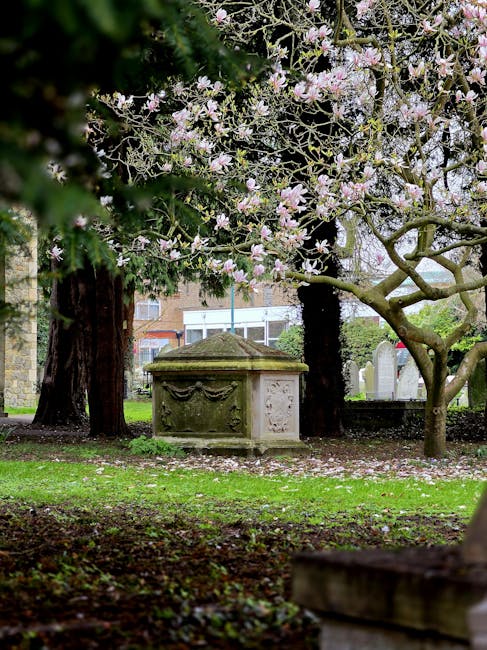
Gardeners servicing Pinner Memorial Park gardens HA5
If you are looking into Gardeners servicing Pinner Memorial Park gardens HA5, you are probably trying to keep a garden looking tidy, healthy, and well cared for without turning it into a weekend project that eats your whole Saturday. Fair enough. Parks, shared green spaces, and nearby private gardens around Pinner can all need a slightly different touch: regular mowing, careful hedge trimming, seasonal clearance, and the sort of maintenance that makes everything feel looked after rather than just cut back.
In this guide, we'll break down what this service usually involves, who it suits, how the work is typically carried out, and what to watch for if you want a dependable result. We'll also cover practical decisions, common mistakes, and a checklist you can actually use. No fluff, just the useful stuff.
Table of Contents
- Why Gardeners servicing Pinner Memorial Park gardens HA5 Matters
- How Gardeners servicing Pinner Memorial Park gardens HA5 Works
- Key Benefits and Practical Advantages
- Who This Is For and When It Makes Sense
- Step-by-Step Guidance
- Expert Tips for Better Results
- Common Mistakes to Avoid
- Tools, Resources and Recommendations
- Law, Compliance, Standards, or Best Practice
- Options, Methods, or Comparison Table
- Case Study or Real-World Example
- Practical Checklist
- Conclusion
- Frequently Asked Questions
Why Gardeners servicing Pinner Memorial Park gardens HA5 Matters
A well-kept garden does more than look neat. Around a place like Pinner Memorial Park, and in nearby gardens across HA5, maintenance affects how safe, usable, and pleasant the space feels from one week to the next. Paths can be obscured by overgrowth, lawns can become patchy if they are cut badly, and hedges can quickly swallow light if they are left too long. You notice these things on a damp morning, when the grass is heavy, the leaves are clinging, and the whole place suddenly feels a bit tired.
Good gardeners do not just "make it tidy". They help preserve structure. That means keeping borders defined, controlling vigorous growth, removing dead material before it causes problems, and making sure seasonal jobs happen at the right time. Done properly, it supports the long-term health of the planting as well as the day-to-day appearance.
There is also a practical side. Gardens that are neglected for even a short spell can become harder and more expensive to restore. A small patch of weed growth becomes a bed-wide clear-up. A hedge that should have been trimmed lightly ends up needing more severe work later. Truth be told, that is where many property owners get caught out.
If you want a broader view of the available work, the services overview is a useful place to understand how different garden tasks fit together. For regular upkeep, garden maintenance is often the simplest starting point.
Expert summary: The best garden care near Pinner Memorial Park is usually not dramatic. It is steady, seasonal, and specific. The aim is to keep plants healthy, surfaces safe, and the garden easy to enjoy without overworking the space.
How Gardeners servicing Pinner Memorial Park gardens HA5 Works
In most cases, the process starts with a quick assessment of the garden's condition, the level of growth, and what the space is meant to do. A garden used for quiet sitting needs a different rhythm from a larger, more functional outdoor area. Some spaces need simple weekly care. Others need a one-off reset before they can be maintained sensibly.
A typical service may include mowing, edging, hedge trimming, weeding, pruning, leaf collection, and the removal of waste. If the garden has become cluttered or heavily overgrown, a clearance may come first, followed by routine upkeep. That sequence matters. You do the reset before the routine, otherwise you are just tidying the edges of a bigger problem.
For lawns, the work often ties in with lawn mowing, because the cut height, frequency, and condition of the turf all affect the final look. For dense boundary growth, hedge trimming keeps lines clean and prevents hedges from shading everything beneath them. And if the place has simply got out of hand, garden clearance can remove the backlog so the area is workable again.
The best part? A good gardener should be able to explain what they are doing and why. If a bed needs mulching later, say so. If a shrub is better left until a different season, say that too. Careful judgement is part of the job, not an extra.
Key Benefits and Practical Advantages
There are obvious benefits, and then there are the quieter ones that people only notice after a few weeks. The obvious one is presentation. A managed garden simply looks better. It feels cared for, and that matters whether the space belongs to a private homeowner, a managing agent, a business, or a community setting nearby.
The quieter benefits are just as important:
- Healthier plants: timely pruning and regular maintenance help reduce stress on shrubs, lawns, and borders.
- Safer access: cut-back edges, clear paths, and removed debris lower the chance of trips or blocked routes.
- Better seasonal control: leaves, weeds, and fast growth are handled before they take over.
- Lower long-term effort: small, regular jobs are usually easier than occasional big rescues.
- Better use of the space: tidy boundaries and clear surfaces make gardens feel larger and more usable.
There is also a strong psychological benefit. A garden that is under control tends to feel calmer. It sounds a bit obvious, but it is true. When the edges are neat and the lawn is even, the whole place feels easier to walk into. On a grey morning in HA5, that matters more than people expect.
If you are comparing broader upkeep with more design-led changes, it can help to read about landscape gardening and landscaping. Maintenance keeps things working; landscaping changes the structure. Different jobs, different outcomes.
Who This Is For and When It Makes Sense
This kind of gardening support is useful for a lot of people, and not just those with large gardens. In fact, some of the most common requests come from smaller spaces that have become awkward to manage because of dense planting, awkward access, or a hedge that seems to have developed ambitions of its own. Happens all the time.
You may need a gardener servicing the Pinner Memorial Park area if you are:
- a homeowner who wants regular upkeep without losing whole weekends to it;
- a landlord keeping a property presentable between tenancies;
- a managing agent or site contact responsible for common green areas;
- a business owner who wants the outdoor frontage to stay tidy;
- someone recovering a garden after a period of neglect;
- a person who can manage light work but needs help with heavy, repetitive, or seasonal tasks.
It can also make sense if the garden is simply becoming too much. That is not laziness, by the way. Gardens grow. Weather changes. Weeds do what weeds do. Sometimes the sensible choice is bringing in help before the job gets bigger than it needs to be.
If tree growth is part of the issue, especially where branches are hanging low or light is being blocked, tree lopping and removal may be worth discussing carefully. For cases where waste has built up after storms, clear-outs, or a long gap in maintenance, the right sequence of work matters even more.
Step-by-Step Guidance
Here is a practical way to approach garden servicing without making it more complicated than it needs to be.
- Walk the garden first. Note the problem areas: overgrown edges, patchy lawn, blocked paths, weeds, dead growth, or anything unsafe.
- Decide whether it needs a reset or routine care. A garden that is badly overgrown may need clearance before maintenance makes sense.
- Prioritise access and safety. Make sure the working areas are reachable, and identify fragile features such as ornaments, irrigation lines, lighting, or decking edges.
- Handle the biggest visual issues first. This usually means lawn, hedges, and any obvious clutter or loose debris.
- Move on to detailed work. Borders, weeds, edging, pruning, and shaping should come after the larger cut-back work.
- Collect and remove waste properly. A tidy finish is part of the job, not an extra.
- Review what still needs follow-up. Some gardens need repeat visits, especially after clearance or seasonal growth bursts.
The best results usually come from sequencing the work properly. For example, if you trim a hedge before clearing the area below it, you often end up redoing part of the job. Small thing, big difference.
If the space includes built elements like seating or a platform area, it may be worth looking at decking services as part of the wider garden plan, especially where slips, algae, or surface wear are becoming an issue.
Expert Tips for Better Results
There are a few habits that consistently improve the outcome, and none of them are especially glamorous. Gardening rarely is. But they work.
- Trim hedges before they become a correction job. Light, regular trimming is easier on the plant and on the budget than repeated hard cuts.
- Keep lawn cuts consistent. A lawn that is chopped too low one week and left too long the next can look stressed and uneven.
- Do not ignore the base of shrubs. A tidy top with a weedy underlayer is still untidy. The eye catches it instantly.
- Remove fallen leaves before they compact. Wet leaves can smother grass and make paths slippery.
- Use seasonal timing sensibly. Not every plant should be cut back at the same time. Some benefit from a lighter approach.
- Plan for waste removal early. Green waste piles up quickly, and it is annoying when the garden looks finished but the mess is still sitting there. Nobody wants that last bit hanging around.
A practical tip many people overlook: if a garden has been neglected, do not try to solve everything in one pass unless there is a clear reason. Staged work is often safer and gives better plant recovery. That's especially true when branches, roots, or older shrubs are involved.
For regular upkeep between visits, it helps to align the work with a maintenance schedule rather than waiting for visible problems. That approach is calmer, cheaper in the long run, and much less stressful.
Common Mistakes to Avoid
Most garden problems are not caused by one huge mistake. They build up from small ones. The usual suspects are pretty familiar.
- Cutting too much at once: severe trimming can damage hedges and shrubs, and the result often looks blunt rather than clean.
- Leaving debris behind: even a "finished" garden feels unfinished if cuttings, weeds, and clippings are still scattered around.
- Ignoring drainage or soggy areas: if a patch stays wet, repeated mowing or foot traffic can make it worse.
- Letting one section dominate: a border or hedge that is left unchecked can distort the whole garden's balance.
- Using a one-size-fits-all approach: lawns, shrubs, trees, and decorative planting each need different care.
- Forgetting the long game: a quick tidy is fine, but the space still needs a plan if you want it to stay manageable.
One more thing. People sometimes think "tidy" and "healthy" mean the same thing. They do not. A garden can look neat for a day and still be being stressed by poor timing or overcutting. That is where experience helps.
Tools, Resources and Recommendations
The right tools make a noticeable difference, but the real value is in how they are used. A sharp blade, a clean cut, and the right timing do more for a garden than a flashy kit ever will.
Common tools and equipment for this kind of work may include:
- lawn mowers and edging tools;
- hedge cutters and hand shears;
- pruning saws and secateurs;
- rakes, blowers, and waste bags;
- gloves, eye protection, and sturdy footwear;
- tarps or collection bags for clippings and debris.
From a practical point of view, the most helpful "resource" is often a simple maintenance plan. A clear schedule for mowing, trimming, clearing leaves, and checking overgrowth saves time and keeps the work more even through the year. That is especially useful in a local area with changing conditions from wet months to dry spells and back again, because growth never quite behaves itself for long.
It can also help to choose a provider that explains what is included, how waste is handled, and what follow-up is recommended. If you want to compare service options and scope, the pricing and quotes page can help set expectations. If you care about waste handling and greener practice, have a look at recycling and sustainability.
Law, Compliance, Standards, or Best Practice
For garden work in the UK, the main thing is to stay sensible, safe, and respectful of property boundaries and plant health. Exact legal duties can vary depending on the site, the work being done, and who owns or manages the land, so it is wise not to assume one rule fits every situation.
In practice, good gardening work should reflect a few core standards:
- Health and safety awareness: tools should be handled properly, hazards should be identified, and access should be managed carefully.
- Appropriate insurance: if work involves ladders, machinery, waste removal, or work near structures, protection matters.
- Responsible waste handling: green waste should be removed or processed in a way that is sensible and lawful.
- Respect for neighbouring spaces: noise, debris, and access should be considered, especially in shared or public-facing areas.
- Careful tree work: bigger tree-related tasks often require extra caution and may need specialist attention.
If you are choosing a service provider, it is reasonable to ask how they approach safety and insurance. Those are not awkward questions. They are normal questions. The same goes for complaints handling and customer care. Clear processes are a good sign, and so are well-written policies such as health and safety policy and insurance and safety. If you need to understand service terms, terms and conditions and the complaints procedure are also worth checking.
Options, Methods, or Comparison Table
Not every garden needs the same type of attention. Here is a simple comparison to help you match the right approach to the state of the space.
| Approach | Best for | What it typically includes | When it makes sense |
|---|---|---|---|
| Routine maintenance | G gardens that are already under control | Mowing, edging, trimming, weeding, light tidy-ups | When the main goal is consistency and presentation |
| Garden clearance | Overgrown or neglected spaces | Heavy cut-back, debris removal, reset work | When the garden is too far gone for simple upkeep |
| Landscape gardening | Spaces needing a fresh layout or stronger structure | Redesign, planting changes, hard and soft landscaping elements | When the existing garden no longer suits how you use it |
| Hybrid approach | Gardens with both maintenance and improvement needs | Initial clearance or redesign, then ongoing care | When you need a practical reset and a long-term plan |
The hybrid option is often the smartest. A lot of gardens do not fail because they are ugly. They fail because they are half-maintained and half-forgotten. A structured reset followed by a realistic maintenance rhythm usually works much better.
Case Study or Real-World Example
Picture a modest front and rear garden near Pinner Memorial Park. Nothing dramatic. The lawn has thinned a bit, the hedge has grown wider than expected, and the back corner is full of cuttings from jobs that were meant to be temporary and somehow became permanent. You know the kind of thing.
A sensible first visit would focus on reclaiming shape and access. The hedge gets reduced carefully, the lawn is cut to a healthier level, the border weeds are cleared, and the loose material is removed. Once the garden is readable again, the follow-up becomes much easier: regular mowing, lighter hedge trimming, seasonal leaf clearance, and a better sense of what needs attention next time.
What changes most is not just appearance. The space feels manageable. You stop avoiding that one back corner. The front looks intentional again. And once the garden is back under control, future visits are faster because the maintenance is working with the garden, not against it.
That is usually the real win. Not perfection. Just a garden that feels easy to live with.
Practical Checklist
Before booking or arranging garden servicing, use this quick checklist to make sure the job is clear.
- Is the main need routine upkeep, clearance, or both?
- Are lawn, hedge, tree, and border tasks all part of the same visit?
- Is there any unsafe access, slippery ground, or awkward boundary area?
- Will waste be collected and removed after the work?
- Are there any fragile features such as lighting, decking, or ornaments?
- Is there a preferred day, season, or timing window for the work?
- Do you want a one-off visit or an ongoing maintenance plan?
- Has the service provider explained what is included and what is not?
- Do you need a follow-up after the initial cut-back or clearance?
- Have you checked the provider's approach to safety, insurance, and complaints?
Quick takeaway: The clearer you are at the start, the better the result. It sounds simple, but it saves time and avoids the awkward "that's not quite what I meant" moment later on.
If you want a trusted next step, learn more about the team on the about us page or use the contact us page to discuss what your garden actually needs. If sustainability matters to you, recycling and sustainability is also worth a look.
Conclusion
Gardeners servicing Pinner Memorial Park gardens HA5 are there to do more than keep things looking neat. They help gardens stay healthy, usable, and easier to manage across the year. Whether you need routine maintenance, a one-off clearance, hedge work, lawn care, or a broader landscaping conversation, the best results usually come from clear priorities and regular attention.
To be fair, most gardens do not need dramatic intervention. They just need the right work at the right time, carried out with care. Get that balance right, and the space becomes a pleasure rather than a chore. And that, really, is what good garden servicing should feel like.
Get a free quote today and see how much you can save.
Frequently Asked Questions
What do gardeners servicing Pinner Memorial Park gardens HA5 usually do?
They typically handle mowing, hedge trimming, weeding, pruning, leaf clearance, border tidying, and green waste removal. Some jobs are simple upkeep, while others start with a full clearance.
How often should a garden near Pinner Memorial Park be maintained?
That depends on the size of the garden, the planting, and how quickly it grows. Many gardens benefit from regular visits during the growing season, with lighter work in quieter months.
Is garden clearance the same as garden maintenance?
No. Garden clearance is usually a reset for overgrown or neglected spaces. Maintenance is the ongoing work that keeps a garden in good shape after that reset.
Can hedge trimming be done at any time of year?
Not always. The right timing depends on the hedge type and its growth pattern. A careful approach is better than cutting just because the hedge looks untidy.
What should I ask before booking a gardener?
Ask what is included, whether waste is removed, how safety is handled, whether the work needs one visit or several, and what follow-up is recommended.
Do I need landscaping if I already have regular maintenance?
Not necessarily. Maintenance keeps things tidy. Landscaping is more about changing structure, layout, or the overall design of the garden.
What happens if my garden has become badly overgrown?
It often needs a clearance first. Once the garden is back under control, routine maintenance is much easier and more effective.
Are tree-related jobs part of general garden servicing?
Sometimes, yes, but larger or riskier tree work needs extra care. If branches are high, heavy, or close to structures, specialist attention is the sensible route.
How do I know if a gardener is trustworthy?
Look for clear communication, realistic advice, useful policies, and a sensible approach to insurance and safety. If someone explains the work properly, that is usually a good sign.
What if I only need a one-off visit?
That is very common. One-off visits are useful for seasonal tidy-ups, pre-event preparation, post-storm clear-ups, or getting a garden back under control before deciding on ongoing care.
Will a gardener remove all the waste after the job?
They should explain this upfront. Waste removal is often part of the service, but it is always best to confirm before the work begins.
What is the best first step if I am not sure what my garden needs?
Start with an assessment of the lawn, hedges, borders, access, and overall condition. From there, it becomes much easier to decide whether you need maintenance, clearance, or a mix of both.