Pinner gardeners guide to Pinner High Street front gardens
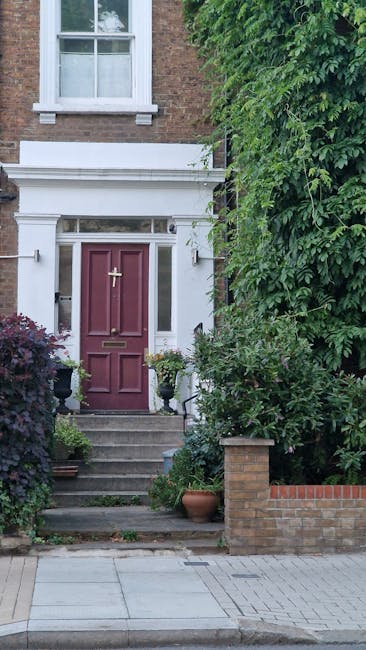
If you live near Pinner High Street, the front garden does more than sit there looking tidy. It sets the tone for the whole property, frames the entrance, and quietly tells people whether the home is well cared for. A good front garden can make a narrow terrace feel brighter, a period house feel more elegant, and a modern place feel less boxy. This Pinner gardeners guide to Pinner High Street front gardens pulls together the practical side of front-garden care: what works locally, what tends to go wrong, how to keep things looking sharp through the seasons, and when it makes sense to bring in help.
Truth be told, front gardens on busy streets can be a bit unforgiving. They collect leaf litter, foot traffic dust, pruned hedge trimmings, and the odd windblown mess from nearby trees. But with the right approach, they stay attractive without becoming a second job. Let's make it straightforward.
- Why this matters on Pinner High Street
- How front-garden planning and care works
- Key benefits and practical advantages
- Who this guide is for
- Step-by-step guidance
- Expert tips for better results
- Common mistakes to avoid
- Tools, resources and recommendations
- Law, compliance, standards, and best practice
- Options, methods, and comparison
- Case study or real-world example
- Practical checklist
- Conclusion
- Frequently asked questions
Why Pinner gardeners guide to Pinner High Street front gardens Matters
Front gardens on or near Pinner High Street carry a different kind of pressure from a private back garden. They are more visible, often smaller, and usually judged in passing. That makes every detail count. A bed that looks neat from the pavement, a hedge clipped cleanly, or even a lawn edge that is properly defined can lift the whole frontage. And because the front garden is the first thing people see, it can influence how a home feels before anyone has stepped inside.
There is also a practical side. Front gardens often sit close to pavements, driveways, gates, and bins. That means growth has to be managed rather than just admired. A shrub that is fine in the middle of the garden can suddenly become a nuisance if it blocks a path or spills onto the pavement. Small jobs become visible fast. A missed mow, a hedge that has been left too long, or a patch of weeds by the steps can make the whole property look tired.
In our experience, local front gardens also tend to share a few patterns: older brick boundaries, modest planting spaces, mixed sun and shade, and a real need for low-maintenance planting that still looks refined. That combination is where a skilled gardener earns their keep. Not by making everything fancy. By making it work.
If you are comparing options for ongoing upkeep, the general approach in garden maintenance is often the best place to start, because front gardens usually benefit from regular light care rather than occasional heavy intervention.
How Pinner gardeners guide to Pinner High Street front gardens Works
Good front-garden work is really a balance of design, routine care, and restraint. That sounds simple, but it is where many gardens go sideways. People either overplant and then struggle to keep up, or they keep things too bare and wonder why the space never quite feels finished.
The working method is usually this: assess the existing space, decide what the front garden needs to do, then choose plantings and maintenance routines that fit the property and the street. A narrow frontage needs a different plan from a deeper plot. A house with strong architectural lines may need structured planting. A softer, cottage-style frontage may need layered texture and seasonal colour. And if a driveway or shared access point is involved, the layout needs to stay practical as well as attractive.
For many homes, the ongoing work falls into a few repeatable tasks:
- keeping grass trimmed and edges crisp with lawn mowing where turf is part of the layout
- preventing hedges from becoming oversized or scruffy with hedge trimming
- removing weeds, dead leaves, and seasonal debris before they build up
- checking that plants are not blocking sightlines, steps, doors, or bins
- refreshing mulch, bark, or gravel so the garden does not look exhausted
If the space is cluttered or has been neglected for a while, a one-off reset through garden clearance can be a sensible first move before any finer work begins. There is no point polishing the silver if the room is full of boxes, as they say. Same idea here.
Front gardens near a high street also tend to need more frequent touch-ups than people expect. You will notice when a plant starts to flop across the path, or when damp weather brings moss and staining. It is not glamorous work. But it is the work that keeps the entrance calm and welcoming.
Key Benefits and Practical Advantages
A well-managed front garden gives you more than kerb appeal, though that is obviously part of it. The practical gains are often what homeowners appreciate most after the first month or two.
- Better first impressions: A tidy frontage makes the whole property feel looked after.
- Less maintenance stress: Regular, sensible care prevents the unpleasant weekend scramble.
- Improved safety and access: Clear paths, unblocked gates, and controlled growth reduce awkward trips and snags.
- Stronger property presentation: Even without a full redesign, neat borders and healthy plants make a noticeable difference.
- Lower long-term cost: Small, regular tasks are usually cheaper than repeated rescue work.
The other advantage is emotional, if we are honest. A front garden that looks tidy on a grey Monday morning can make coming home feel better. It sounds minor. It is not minor. Small things matter.
There is also flexibility. Not every front garden needs elaborate planting. Some of the best-looking gardens on Pinner High Street are restrained: evergreen structure, one or two seasonal plants, a clean path, and borders that are easy to manage. Simple, but not plain.
Where the whole frontage needs a broader refresh, landscape gardening can help reshape the area so maintenance becomes easier and the design feels more coherent from the street.
Who This Is For and When It Makes Sense
This guide is useful if you own, rent, manage, or help care for a home with a visible front garden near Pinner High Street. It is especially relevant if the space is small, awkwardly shaped, or exposed to foot traffic and street-facing wear.
It makes sense to focus on the front garden when:
- the entrance looks messy even though the rest of the garden is fine
- the hedge or shrubs are starting to obscure windows, gates, or pathways
- the lawn has become patchy or difficult to mow around edges
- the planting is overcomplicated and no longer practical
- you want a cleaner, calmer look without committing to a major redesign
It is also a good fit for homeowners preparing to sell, landlords wanting the exterior to feel cared for, or families who simply want less maintenance pressure. To be fair, there is a point where a front garden becomes more of a chore than a feature. That is usually the sign to simplify.
If the issue is not design but general upkeep, a regular service such as garden maintenance is often a better fit than a one-off project. If the problem is shape, access, or tired hard landscaping, then a wider landscaping conversation may make more sense.
Step-by-Step Guidance
Here is a practical way to approach a front garden without overthinking it.
- Stand at the pavement and look honestly. What do you notice first? A hedge? Weeds? A sagging edge? A cluttered view of the door? Start with the visual problem that hits you in the face.
- Check access and boundaries. Look for places where plants are overhanging, paths are narrowing, or gates are catching on growth. Front gardens fail at the edges first.
- Decide the job of the space. Is this a display garden, a low-maintenance entrance, or a practical mix of planting and access? You do not want every square foot trying to do three jobs at once.
- Remove the obvious clutter. Clear dead leaves, broken pots, weeds, and waste. If the bed is beyond a tidy-up, start with clearance and rebuild from there.
- Sort the structure. Trim hedges, define the lawn edge, neaten the path, and make sure the key lines of the garden are obvious from the street.
- Replant where needed. Use plants that suit the amount of sun, the soil, and the time you actually have for care. Choose health over drama. Always.
- Set a maintenance rhythm. Front gardens look best when they are touched lightly and often, rather than hacked back once a year with a great sigh and a pair of blunt shears.
A small but useful tip: take a photo before and after. The camera notices what the eye gets used to. Sometimes that little photo is the wake-up call you need.
If tree branches, large shrubs, or mature plants are dominating the front of the property, then tree lopping and removal may be part of the solution, but it should be handled carefully and sensibly. Big growth needs judgement, not enthusiasm alone.
Expert Tips for Better Results
Front gardens reward restraint. That is probably the biggest expert tip. People often assume "more plants" equals "more attractive," but in a street-facing space, the opposite can be true. A front garden can start looking cluttered very quickly.
Here are the habits that consistently help:
- Keep the tallest planting near the boundaries. This preserves openness around the entrance and makes the space feel bigger.
- Repeat plant shapes rather than mixing too many types. Repetition creates calm. Calm is a good thing at the front of a house.
- Use evergreen structure. A front garden should not look empty for half the year unless that is an intentional design choice.
- Trim more often than you think. Light trimming is easier on plants and usually looks more professional.
- Make the path and entrance obvious. Visitors should not have to guess where to step.
- Choose materials you can actually maintain. Gravel, planting, edging, and hard surfaces all need different levels of care. Pick what suits your time, not just your taste.
A slightly overlooked point: good front gardens are often the result of things not happening. Not too many plant species. Not too much height. Not too much fuss. That may sound dull, but it works.
For properties that need recurring upkeep rather than redesign, linking front-garden care to a broader services overview can help you decide what should be handled regularly and what can be tackled seasonally.
Common Mistakes to Avoid
Most front-garden problems are not dramatic. They are the sort that creep up. One day the hedge is fine, and the next it is too wide. One damp week and the path is green. A few forgotten weeds, and suddenly the place feels unloved. Happens all the time.
- Planting without thinking about maintenance. If it needs constant clipping, deadheading, staking, and fussing, it may not be suitable for a front garden.
- Ignoring scale. Oversized shrubs can dwarf a modest frontage. Small spaces need proportion.
- Letting boundaries blur. A front garden should have crisp edges. That is half the battle.
- Using too many competing colours or materials. Too much variety can look busy rather than smart.
- Skipping seasonal checks. Spring and autumn are the obvious times to reset, but waiting that long without any light care is risky.
- Forgetting drainage or damp issues. If the entrance regularly gets muddy or slippery, the layout may need adjusting, not just cleaning.
One of the more common mistakes is trying to rescue a tired front garden with only cosmetic changes. A few new pots will not fix a hedge that has taken over, and a smart path will not hide a bed full of weeds. It needs the full picture.
If the garden has become genuinely overgrown, a proper garden clearance first can save time, money, and a lot of frustration.
Tools, Resources and Recommendations
You do not need a van full of equipment to keep a front garden looking good, but you do need the right basics. A sharp pair of secateurs, a clean mower if you have lawn, a hoe or hand fork for weeds, gloves, a stiff brush for paths, and a reliable trimmer for hedge work will cover a lot of ground.
Useful working habits matter as much as tools:
- keep blades sharp so cuts are clean
- remove clippings promptly so they do not stain paths or smother plants
- check for nesting birds before any heavier hedge or tree work
- choose dry days for trimming where possible
- store tools somewhere dry so they last longer and stay safer to use
For homeowners who prefer a managed approach, it helps to think in layers. Light monthly upkeep, seasonal tidy-ups, and occasional structural work are usually easier to budget for than one big dramatic overhaul. That is where a clear pricing conversation matters. If you are planning work and want to understand the scope before committing, pricing and quotes is a useful place to start.
It is also sensible to check how a provider handles safety, insurance, and waste. Small jobs still involve ladders, sharp tools, and awkward access. The boring stuff is the important stuff, really.
Law, Compliance, Standards, or Best Practice
Front gardens near a public street come with more than aesthetic expectations. While the exact situation depends on the property, good practice usually means keeping planting, hedges, and trees from creating hazards or obstructing access. That includes making sure the path to the door is usable, the pavement is not encroached on, and the garden does not become a trip risk.
For tree and hedge work, careful judgement matters. If branches extend over boundaries or growth is affecting visibility and access, pruning should be handled with attention to safety and the condition of the plant. In some cases, heavier work may be suitable; in others, a lighter trim is better for the health of the garden and the look of the frontage.
On the service side, it is sensible to work with people who are transparent about safety, insurance, waste handling, and complaints procedures. That does not just protect the homeowner. It protects the people doing the work as well. A professional attitude is usually visible before the first cut is made.
For example, if you are comparing providers, look for clear information on insurance and safety, along with practical policies such as health and safety and recycling and sustainability. That combination suggests the business takes the job seriously, not just the sale.
Options, Methods, or Comparison Table
There is rarely one perfect way to care for a Pinner front garden. The right method depends on how much time you have, how visible the space is, and whether the garden needs a tidy-up, an ongoing routine, or a proper redesign.
| Approach | Best for | Pros | Trade-offs |
|---|---|---|---|
| DIY routine care | Small, healthy gardens with simple planting | Low cost, flexible, you stay in control | Needs time, tools, and consistency |
| Regular maintenance service | Busy households, rented homes, neat street-facing spaces | Reliable upkeep, fewer surprises, better presentation | Ongoing cost, less hands-on control |
| One-off clearance and reset | Overgrown or neglected front gardens | Fast improvement, makes planning easier | Does not solve future maintenance on its own |
| Redesign or landscaping | Awkward layouts, tired surfaces, poor structure | Improves function and appearance together | Higher commitment, more planning required |
In practical terms, many homeowners use a mix of these rather than only one. A good garden is rarely built on a single grand intervention. It is usually a sequence of small, sensible choices.
Case Study or Real-World Example
A typical front garden near Pinner High Street might start out with a compact lawn, a hedge that has drifted wider every season, and two beds that used to have a plan but now mostly contain self-seeded clutter and a few tired shrubs. Nothing catastrophic. Just a bit weary.
The first step is usually a clean-out: remove dead material, prune back the hedge, lift low branches where needed, and clear the borders so the structure is visible again. Once the space breathes, the next question is whether the lawn is worth keeping. If it is, a tidy mowing routine with sharp edging can make the frontage look ordered within days. If it is not, the area may be better converted into a simpler planting bed or gravelled feature with a couple of strong plants rather than a patchy bit of grass that never quite performs.
One homeowner in a similar situation chose to keep the front lawn but simplify the border planting. They reduced the number of species, added evergreen structure, and committed to light fortnightly attention during the growing season. The result was not flashy. It was better than flashy. It looked calm, easy to live with, and quietly cared for. And that is often the real goal.
Where a frontage is more complex, a broader landscape gardening approach can help bring the house, path, planting, and access points into one clearer design.
Practical Checklist
Use this checklist before the season gets away from you:
- Trim hedges before they block paths, windows, or sightlines
- Remove weeds from borders, cracks, and path edges
- Edge the lawn so the frontage looks defined
- Check for overhanging growth on the pavement side
- Clear leaves and debris from steps, drains, and entrances
- Inspect plants for damage, disease, or dieback
- Refresh mulch or top dressing where beds look tired
- Make sure bins, bikes, and storage items do not dominate the view
- Decide whether the garden needs maintenance, clearance, or redesign
- Plan the next visit or task before the current job is forgotten
If you are not sure where to begin, start with what you can see from the street. That view usually tells the truth faster than anything else.
Conclusion
A front garden on Pinner High Street does not need to be dramatic to be effective. It needs to look cared for, feel balanced, and work with the rhythm of daily life. That means sensible planting, regular trimming, clean edges, and honest decisions about what is worth keeping. The best results usually come from doing a few things well, consistently, rather than chasing some impossible showpiece finish.
Whether your frontage needs a tidy-up, a regular maintenance plan, or a more substantial reset, the key is to make the space easier to live with and easier to keep looking good. That is where the real value sits. Not in perfection. In calm, reliable good order.
If you want help turning a tired frontage into something sharper and more manageable, start by reviewing the options and asking for clear advice from a local team that understands both presentation and practicality.
Get a free quote today and see how much you can save.
Frequently Asked Questions
What makes a front garden suitable for Pinner High Street homes?
A suitable front garden is usually neat, proportionate, and easy to maintain. It should match the style of the house, allow clear access, and avoid blocking paths, windows, or sightlines. On a busy or visible street, simple and well-kept often works better than complex planting.
How often should a front garden be maintained?
That depends on the planting, but most front gardens benefit from light attention every one to two weeks during the growing season. Hedges, lawns, and paths all show neglect quickly, so small regular tasks tend to work best.
Is lawn a good idea in a small front garden?
Sometimes, yes. A small lawn can look elegant if it is easy to mow and edge. But if the area is awkward, shaded, or difficult to keep even, a simpler planted bed or hardier surface may be the better choice.
What are the biggest mistakes people make with front gardens?
The most common issues are overplanting, letting hedges grow too large, ignoring edges, and choosing plants that create too much maintenance. A front garden should be easy to keep in shape, not a weekly battle.
When does a front garden need garden clearance rather than routine maintenance?
If the space is overgrown, cluttered, or full of dead material, routine maintenance may not be enough. A proper clearance gives you a clean starting point so future upkeep is actually manageable.
Can landscaping improve a front garden without making it look too formal?
Absolutely. Landscaping does not have to mean rigid or flashy. It can be as simple as improving borders, reshaping access, reducing clutter, and using materials that suit the house and street.
What should I look for in a gardener for a front garden?
Look for someone who understands regular upkeep, can work neatly around entrances and boundaries, and is clear about safety, insurance, and pricing. A good gardener should talk about practicality as much as appearance.
Are hedges in a front garden hard to maintain?
They are manageable if trimmed regularly. Left too long, though, they become much harder work and can quickly dominate the frontage. Smaller, simpler hedge shapes are usually easier to live with.
How do I keep a front garden looking good in winter?
Use evergreen structure, keep paths clear, remove fallen leaves, and avoid leaving the space cluttered. Winter gardens can be quiet and still look smart if they are tidy and well proportioned.
Do I need a full redesign to improve kerb appeal?
Not usually. Often, a clean-up, hedge trim, sharper edging, and a few plant changes are enough to make a noticeable difference. A full redesign is only needed when the layout itself is the problem.
What is the best first step if my front garden feels out of control?
Start with a simple assessment from the pavement. Then clear the obvious clutter, trim what is overgrown, and decide whether the space needs maintenance, clearance, or a bigger redesign. It does not have to happen all at once.
Can a front garden be both low-maintenance and attractive?
Yes, and that is often the ideal. The trick is to choose plants and materials that suit the climate, the light, and your time. Low-maintenance does not have to mean plain, just sensible.
If you are comparing options for a tidy, practical frontage, a well-planned garden service can save you time and keep the whole property feeling more settled. And honestly, that peace of mind counts for a lot.